
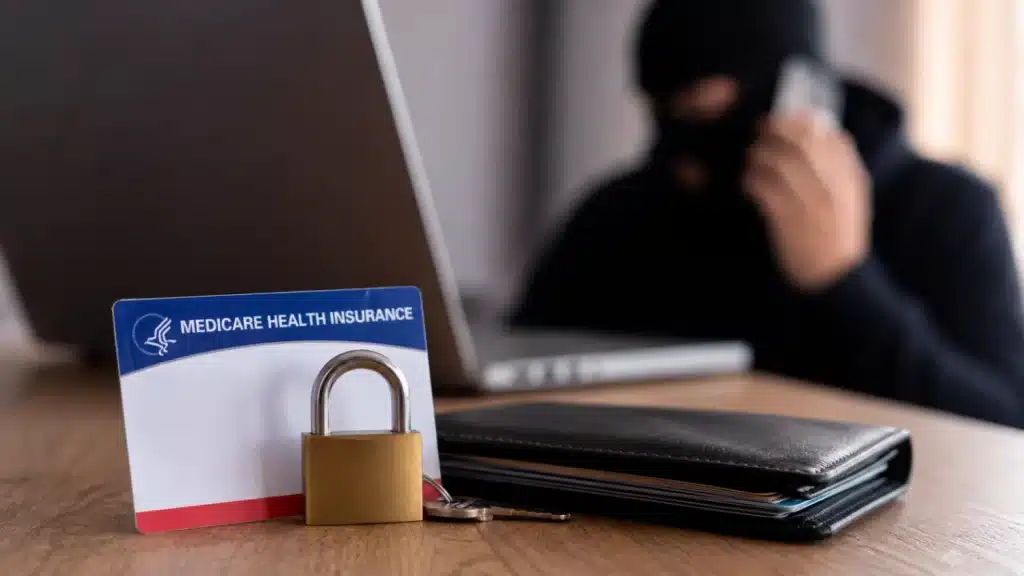

Medicare scams are becoming more sophisticated every year, and in 2026, many seniors are being targeted through fake phone calls, text messages, emails, and even fraudulent Medicare card replacement offers.
Scammers know that Medicare beneficiaries are constantly hearing about enrollment changes, new benefits, updated cards, and healthcare costs. They use that confusion to pressure people into sharing personal information like Medicare numbers, Social Security numbers, banking details, and addresses. The problem is these scams often look legitimate. Some criminals use official-sounding language, spoofed government phone numbers, and realistic websites to gain trust quickly.
In this guide, we’ll explain the most common Medicare card scams in 2026, the warning signs to watch for, and the steps seniors can take to better protect their information. At The Medicare Family, we help seniors across all 50 states understand Medicare in simple English and make confident healthcare decisions. Schedule your FREE consultation today for trusted Medicare guidance and support.
What Is a Medicare Card Scam?
A Medicare card scam happens when someone tries to steal your Medicare number or personal information by pretending to represent Medicare or a trusted healthcare company. Criminals use this information to commit fraud, submit fake medical claims, steal identities, or even open financial accounts in someone else’s name.
Your Medicare number is valuable because it is connected to your healthcare records and benefits. In the wrong hands, scammers can use it to bill Medicare for services or equipment you never received. This type of fraud costs billions of dollars every year and can also create problems for beneficiaries whose records become inaccurate.
Many scams start with an unexpected phone call, email, text message, or even a knock at the door. The scammer may claim:
- Your Medicare card is expiring
- You need a new Medicare card
- Your benefits are about to stop
- You qualify for free medical supplies
- You must verify your information immediately
These scams are designed to create fear, urgency, and confusion so people react before thinking carefully.
It is important to remember that Medicare generally will not call you out of the blue asking for your Medicare number, banking information, or Social Security number. If someone contacts you unexpectedly and asks for personal information, it is a major warning sign.
Why Medicare Scams Are Increasing in 2026
Medicare fraud continues to rise because scammers now have more advanced tools, better technology, and more ways to reach seniors than ever before.
Stolen Medicare and healthcare information is extremely valuable to criminals because it can be used repeatedly for fraud and identity theft. Stolen Medicare numbers and medical identities can sometimes sell for more than stolen credit card numbers because they can be used repeatedly for fraudulent medical billing.
Scammers also take advantage of confusion around Medicare changes. Each year, beneficiaries hear about new plan options, updated benefits, prescription drug changes, and enrollment periods. Fraudsters use this confusion to pretend they are helping people update or confirm their Medicare information.
Artificial intelligence and robocall technology have also made scams more believable. Some fake calls now sound very professional and may even use recorded messages that sound official. Scammers may know your name, address, or other basic details to make their story seem real.
As Medicare enrollment continues to grow, scammers see seniors as a larger target. That makes education and awareness more important than ever.
Common Medicare Card Scams Seniors Should Watch For
Fake Medicare Phone Calls
One of the most common Medicare scams starts with an unexpected phone call from someone pretending to represent Medicare or a health insurance company.
Some callers sound friendly and helpful, while others use fear and urgency. They may say:
- “Your Medicare coverage could be canceled.”
- “You need a new Medicare card immediately.”
- “We need to verify your information today.”
The goal is to convince you to share your Medicare number, Social Security number, or banking details.
Scammers may also use “spoofed” phone numbers that look like official government numbers on caller ID. Even if the number appears real, never give out personal information unless you made the call yourself to a trusted number.
Medicare Card Replacement Scams
Another common medicare card scam involves fake replacement cards. The scammer may claim Medicare is issuing new cards due to fraud, policy updates, or system changes.
They often ask for:
- Your Medicare number
- Your date of birth
- Your Social Security number
- Credit card or bank information for “processing fees”
In reality, Medicare does not charge fees to mail a replacement card. If you ever truly need a replacement card, you should contact Medicare directly through official channels.
Phishing Emails and Text Messages
Phishing scams happen when criminals send fake emails or text messages pretending to be from Medicare or insurance companies. These messages often contain links that lead to fake websites designed to steal personal information.
A phishing message may say:
- “Update your Medicare account now.”
- “Claim your new Medicare benefits.”
- “You have unpaid Medicare charges.”
- “Click here to confirm your information.”
These fake websites can look very convincing. Once someone enters their information, scammers can steal it instantly.
Never click suspicious links or download attachments from unknown senders. If something seems questionable, go directly to the official Medicare website instead of clicking a link in a message.
Free Medical Equipment Scams
Some scammers offer “free” braces, wheelchairs, diabetic supplies, or genetic testing kits. They may advertise online, call directly, or use television commercials.
These scams usually work by collecting your Medicare number and billing Medicare for unnecessary or fake medical equipment. In some cases, beneficiaries later discover false medical claims on their records.
Even worse, accepting unnecessary medical services or equipment could create future healthcare problems if your records contain inaccurate information.
Always speak with your doctor before agreeing to any medical equipment or testing.
Medicare Insurance Plan Scams
During Medicare enrollment periods, scammers may pretend to be licensed insurance agents offering amazing deals or extra benefits.
They might promise:
- Extremely low costs
- Extra cash benefits
- Free groceries
- Expanded dental or vision coverage
While some legitimate plans offer additional benefits, scammers often use unrealistic promises to pressure seniors into giving away personal information.
Legitimate Medicare representatives will not pressure you into immediate decisions or demand sensitive information unexpectedly over the phone.
Warning Signs of a Medicare Scam
Recognizing common red flags early is one of the best ways to avoid becoming a victim of Medicare fraud.
- Unexpected calls asking for your Medicare number
- Requests for bank account or credit card information
- Threats that your benefits will end
- Pressure to act immediately
- Offers that sound too good to be true
- Emails or texts with suspicious links
- Requests to pay fees for a new Medicare card
- Callers refusing to let you verify their identity
If something feels wrong, trust your instincts. It is always better to hang up and verify the information independently.
How to Protect Yourself From a Medicare Card Scam
Never Share Your Medicare Number Freely
Treat your Medicare number like a credit card number. Only share it with trusted healthcare providers, insurance companies you know, or official Medicare representatives when necessary.
The fewer people who have access to your information, the safer you will be.
Verify Calls Before Responding
If someone calls claiming to be from Medicare, hang up and call Medicare directly using the official number on your Medicare paperwork or website.
Do not trust phone numbers given by the caller.
Watch Your Medicare Statements Carefully
Review your Medicare Summary Notices and Explanation of Benefits statements regularly. Look for:
- Charges for services you never received
- Unknown doctors or providers
- Medical equipment you did not order
Reporting suspicious charges quickly can help stop fraud early.
Avoid Clicking Unknown Links
Never click links from suspicious emails or text messages. Instead, type the official Medicare website address directly into your browser.
Delete suspicious messages immediately.
Use Strong Passwords
If you use online Medicare accounts, create strong passwords and avoid using the same password across multiple accounts.
A strong password should include:
- Uppercase and lowercase letters
- Numbers
- Special characters
This makes it harder for criminals to access your accounts.
Talk to Family Members or Trusted Advisors
If you are unsure about a phone call or email, talk with a trusted family member, friend, or advisor before responding.
Scammers often try to isolate people and create panic. A second opinion can help you spot warning signs more clearly.
What To Do If You Think You Were Scammed
If you believe your Medicare information has been stolen, act quickly. Fast action can help reduce damage and prevent further fraud.
Contact Medicare Immediately
Report suspicious activity to Medicare as soon as possible. Medicare representatives can review your account and help protect your benefits.
Monitor Your Financial Accounts
Watch your bank accounts, credit cards, and insurance statements closely for unusual activity.
If necessary, contact your bank or credit card company immediately.
Report the Fraud
You can report Medicare fraud to the appropriate government agencies and fraud hotlines. Reporting scams helps protect other seniors as well.
Request a Replacement Medicare Card
If your Medicare number has been compromised, ask Medicare about replacing your card or protecting your account.
Keep Records
Write down:
- Dates of suspicious calls
- Names used by scammers
- Phone numbers
- Emails or messages received
This information may help investigators track fraud attempts.
How Medicare Beneficiaries Can Stay Safe in 2026
The best defense against scams is staying informed. Criminals constantly change their tactics, but most scams still rely on fear, pressure, and confusion.
Take your time before sharing any information. Legitimate Medicare representatives will not threaten you or demand immediate action.
Here are a few simple habits that can help protect you:
- Do not answer unknown calls unless necessary
- Be careful with online forms asking for Medicare information
- Keep personal documents secure
- Shred old paperwork containing personal information
- Stay updated on current scam warnings
- Verify information through official Medicare sources
The more aware you are, the harder it becomes for scammers to take advantage of you.
Conclusion
Medicare scams are becoming more convincing every year, and scammers continue finding new ways to target seniors through fake phone calls, emails, text messages, and fraudulent Medicare card offers. The good news is that awareness and caution can go a long way toward protecting your personal information and reducing your risk of fraud.
Taking time to verify suspicious calls, avoid sharing sensitive information unexpectedly, and regularly monitor your Medicare statements can help you stay safer in 2026 and beyond.
At The Medicare Family, we help seniors across all 50 states understand Medicare in plain English and make confident healthcare decisions without pressure or confusion. Our licensed Medicare experts provide free guidance, access to plans from 30+ top insurance companies, and lifetime support as your needs change. Schedule your FREE call today to compare your options, get trusted Medicare guidance, and protect yourself from costly Medicare mistakes and scams.
Frequently Asked Questions
Will Medicare ever call me asking for my Medicare number?
Medicare generally will not call unexpectedly asking for your Medicare number, Social Security number, banking information, or payment details.
What should I do if I think my Medicare information was stolen?
Contact Medicare immediately, monitor your financial accounts closely, review your Medicare statements for suspicious charges, and report the fraud to the appropriate agencies.
Are Medicare card replacement offers legitimate?
Usually not. Medicare does not charge fees for replacement cards, and unsolicited calls offering “new” Medicare cards are often scams.


